 Clothoo
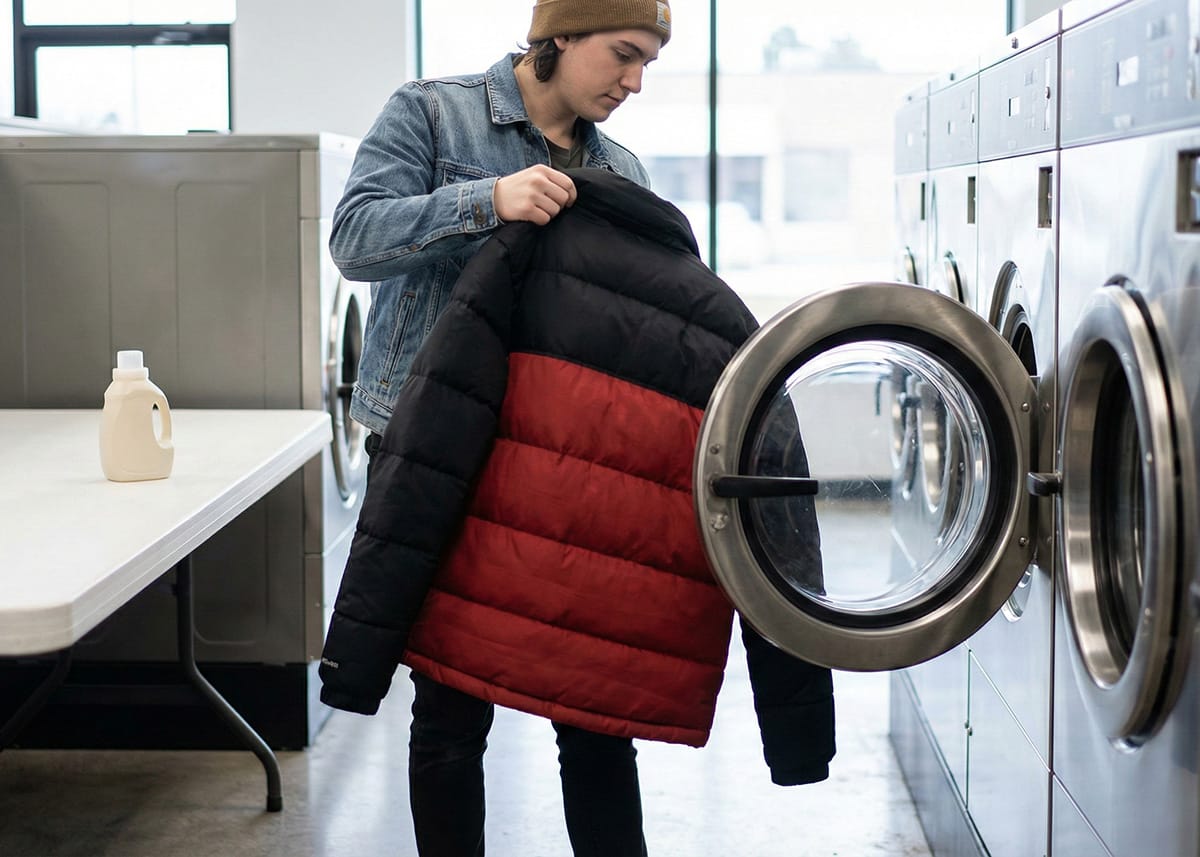
Your favorite winter coat collects salt, street dust, and coffee drips, and sooner or later you have to figure out how to wash a puffer jacket without ruining the fill. When you care for puffer jackets the right way, they stay light, warm, and ready to wear instead of turning flat after one hard spin cycle.
Why your wash routine matters for a quilted coat
A quilted coat does its job by trapping air. The shell fabric, lining, and inner fill work together to hold warm air close to your body while you walk, shop, or commute. If the fill clumps or the baffles crush, those air pockets disappear and the coat stops doing what you bought it for.
Good care is less about fancy products and more about gentle steps. The goal is simple: clean the fabric, rinse out grime, and protect the structure inside the coat so it still feels soft when you pull it on next season.
What is inside your winter puffer
Most quilted coats use either down, synthetic fill, or a mix of the two. Down feels very light and packs down small in a bag. Synthetic fill handles wet weather better and is easier to care for, but can feel a bit denser.
Both types sit inside stitched channels called baffles. Those lines give your coat its look and keep the fill from sliding to the bottom. When you think about wash routines, imagine you are trying to protect those channels more than anything else.
In the puffer jackets collection, you will see different shell fabrics and quilting styles built for city life, cold walks, and travel. You can compare shell notes and lining options in the materials and colors guide before you ever turn on a washer.

Simple steps on how to wash a puffer jacket without ruining the fill
You can clean most quilted coats in a normal home washer if the care label allows it. The key is to keep the cycle gentle and the soap simple, so the fabric and fill do not take a beating.
- Check the care tag first and follow it if it says machine wash is okay.
- Close all zippers and snaps, empty pockets, and turn the coat inside out.
- Choose a gentle or delicate cycle with cold or lukewarm water.
- Add a small amount of mild liquid detergent with no bleach or softener.
- Wash the coat alone or with one light item so the drum is not packed.
- Run an extra rinse to clear soap from the fabric and the fill.
- Press out extra water by hand instead of twisting or wringing.
These steps cover how to wash a puffer jacket without ruining the fill at home, no matter which shell fabric or color you picked.
Common washing mistakes to avoid
Most problems start with heat, harsh products, or rushed settings. Hot water can shrink shell fabrics and weaken seams. Strong detergent or bleach can damage fibers and fade colors. Heavy, long cycles slam the filled channels against the drum until the baffles flatten.
Using a big dose of detergent can also backfire. Leftover soap can cling to the fill, pull in dirt, and lead to stiff sections inside the jacket. It is better to use a small amount and spend that extra time on rinsing instead of scrubbing.

Drying and re-fluffing your coat the right way
Drying is the moment when you either save or lose the loft. A coat that comes out of the washer heavy and flat can still bounce back if you give it gentle movement and enough time.
If the tag allows tumble drying, place the coat in the dryer on low heat or air dry. Add a couple of clean dryer balls or tennis balls so they tap the coat as it turns. This light impact helps break up clumps and move the fill back into the corners of each baffle.
If you prefer to skip the dryer, lay the coat flat on a rack instead of hanging it while it is soaked. As it dries, pause every so often to shake it gently and pat flat areas so the insulation spreads out again. This takes longer but can be kinder to more delicate shells.
Once the coat feels dry, check each panel with your hands. If you feel hard lumps, another short low-heat cycle with dryer balls, or more time on the rack with gentle shaking, can help the fill relax and spread.

Seasonal care: stains, storage, and wash frequency
You do not need to wash your quilted coat after every wear. For most city use, once or twice a season is enough unless you spill food, drink, or oil on it. Quick spot work between full washes keeps the coat looking sharp and protects the inner fill.
- Blot fresh stains with a clean cloth, mild soap, and cool water.
- Avoid harsh scrubbing; dab and rinse with a second damp cloth.
- Let the spot air dry fully before hanging the coat in a closet.
- At season’s end, wash and dry the coat once, then store it clean.
- Hang it on a sturdy hanger instead of stuffing it in a tight bin.
When you are ready to upgrade or add a second coat, it helps to pick fabrics that handle this kind of care well. You can review shell and lining options in the Clothoo materials guide and then check real examples in the quilted jacket collection so you know what you are signing up for before winter starts.

FAQs about washing and caring for quilted coats
Q: How often should I wash my quilted coat?
A: If you wear it daily in cold weather, once or twice a season usually works. Spot clean small marks in between. Wash sooner if you spill something that might stain or if the coat picks up strong smells from smoke or food.
Q: Can I use a top-load washer with an agitator?
A: A front-load washer is easier on the fill, but many people use top-load machines on gentle settings. The basic idea for how to wash a puffer jacket without ruining the fill is always the same: mild cycle, light soap, extra rinse, and careful drying.
Q: Is it safe to put my coat in the dryer?
A: Low heat or air-only settings are usually safe when the care tag allows tumble drying. High heat can damage shell fabrics and melt some synthetic fibers, so resist the urge to rush. Check the coat often, and stop as soon as it feels dry and fluffy.
Q: What if the fill clumps after washing?
A: Make sure the coat is fully dry. Then tumble it on low heat with clean dryer balls to break up clumps. You can also shake and pat the baffles by hand between cycles. Many coats regain loft with gentle motion and time.
Q: Do the same care steps work for all quilted outerwear?
A: The basic ideas are similar for most padded coats: gentle wash, mild soap, and careful drying. Some classic wool or leather pieces need different care, so always read the tag. For quilted coats, the main goal is to protect the baffles and the fill inside them so they keep trapping warm air.


 Clothoo