 Clothoo
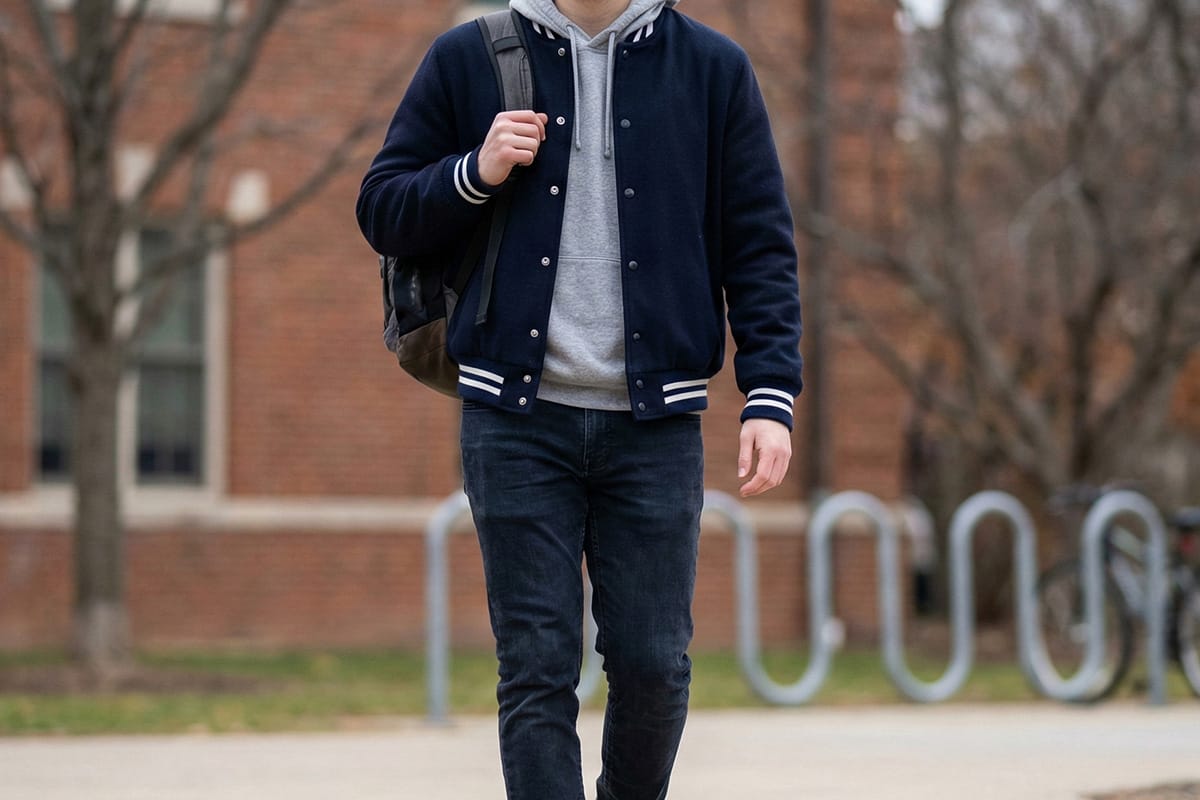
A plain wool varsity jacket is a clean school jacket with a wool body and no patches yet, ready for your own design. Schools use this style as the base for their wool varsity jackets so they can add letters, names, and numbers over time.
What is a plain wool varsity jacket for schools?
When people say “plain” in this context, they do not mean cheap or unfinished. They mean the jacket ships with solid colors, knit trim, and hardware in place but no chenille letters, name embroidery, or award patches. It is a blank canvas cut in the same way as a full letterman piece.
Coaches and activity leaders like this because one jacket can work for many programs. Football, band, cheer, and robotics can all share the same shell. Each group then adds its own patches when students hit lettering standards. To see common shapes and color options, you can scan the dedicated wool jacket collection before you decide on trim and body colors.

Why schools and teams start with a blank wool letterman jacket
Plain wool jackets solve several real problems for busy schools. First, they keep the school look consistent over many years. If you pick a strong color combo once, future teams can reuse the same base. That means fewer design debates each season.
Second, blank shells make it easier to manage growth. A small program can start with a short run. As numbers rise, you simply order more of the same jacket and apply patches the same way. There is no need to redesign from scratch or worry that new pieces will not match the old ones.
Third, a blank base gives families more control. Some prefer to add only a front letter and name. Others want full back art and sleeve numbers. When the shell is the same, every family can choose the level of decoration that fits their taste and budget.
Planning front, back, and sleeve layout on a wool jacket
The best time to plan layout is before the first order. Decide how much real estate each area gets so you do not crowd the wool or cover seams. A simple planning session with coaches, band staff, and a few parents can save a lot of headaches later.
- Front chest: school letter on one side, student name or role on the other.
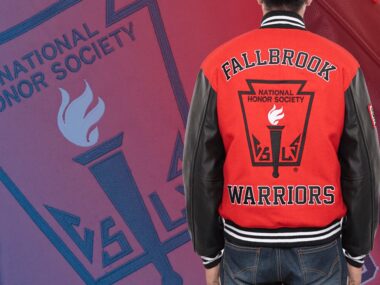
- Back panel: mascot, city or school name, or a clean “Class of” mark.
- Sleeves: numbers, years, or small symbols for sports and activities.
- Front pockets and shoulders: keep mostly clear so wool hangs well and stays comfortable.
Once you have a basic map, you can try different ideas in the online designer. The design-your-own varsity tool lets you test letter sizes, back art, and sleeve ideas without touching a real jacket. After that, the patches and embroidery guide helps you decide which pieces should be chenille, which should be flat stitch, and which can wait for future seasons.

Technical build details for plain wool school jackets
Wool weight, feel, and lining
True school jackets use dense wool that holds its shape. The fabric should feel firm when you pinch it between your fingers, not thin or floppy. Heavier wool works well for northern states with cold bus rides and windy stadiums. Medium-weight wool can be a better match for milder regions that still see cool fall nights.
Lining matters as much as shell weight. A quilted lining adds warmth and helps the jacket slide over hoodies and sweatshirts. A lighter lining keeps the piece easier to wear indoors. When you review options in the custom jacket area, think about when students actually wear the jacket during the year, not just how it looks on a hanger.
Sizing and unisex fit for mixed groups
Most schools issue one pattern for everyone. That means the cut must work for many body types and for both students and adults. A straight unisex shape with room in the shoulders and chest gives players, band members, and managers space to move.
Before a big order, it is smart to hold a sizing night. Let students try on sample sizes over the kinds of tops they wear to games and practice. Some will want a closer fit for daily campus wear. Others will size up for extra room over hoodies. A detailed size chart with measurements helps families who cannot make it to the fitting still pick the right size.
Common mistakes to avoid with blank wool jackets
Two mistakes show up again and again. First, some schools pick a wool color that looks good online but clashes with their real gym or field colors. Always compare fabric swatches to existing banners and uniforms before locking in the shade. Second, teams try to fill every inch of wool in the first year. When front, back, and sleeves all carry large patches, the jacket can feel heavy and busy. It is fine to leave room for future awards so younger students have something to add later.

Adding chenille letters, names, and numbers over time
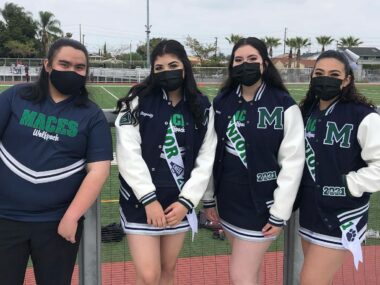
One of the biggest strengths of a plain wool base is the way it supports growth. Freshmen might start with a simple letter and name. As they earn more honors, they add sleeve numbers, captain marks, or activity patches. Seniors may have full backs and several years marked on the sleeves, while younger students still look clean and ready to add more.
To keep everything consistent, create a short patch map and share it with the whole staff. Note which color chenille you use for letters, which thread colors work for names, and where numbers should sit on sleeves. When everyone follows the same basic plan, the jackets look unified in team photos and band lines even when patches are added across several seasons.
If you want ideas from real schools, you can scan customer photos from across the country. Look for examples where younger and older students stand side by side in the same shell but with different patch levels on top.
How to order plain wool jackets for one or many teams
The ordering path is similar whether you are buying for one program or the whole school. Start with design approval from coaches and staff. Once colors and layout are set, collect names, sizes, and any early patch plans in a single sheet. That sheet will guide both the initial run and later add-on orders.
For smaller groups, you might place one order each year. Larger schools often do a fall and spring run so transfer students and late letter winners can still join in. When your design is saved in the custom jacket tools, reorders become much faster because the shell details stay the same.
If you expect to outfit several sports or activities at once, consider a bulk plan rather than separate small runs. A structured group order can bring prices down and keep lead times clear. You can still control which students receive patches now and which will add them later, but everyone starts from the same base jacket.

FAQs about plain wool varsity jackets
What is a plain wool varsity jacket and why do schools use it?
It is a traditional wool school jacket shipped without letters or award patches. Schools like this base because they can use one shell for many programs and add decoration only after students earn it.
Is a blank wool jacket better for patches, names, and numbers?
Yes. A clear wool surface gives you more freedom with future awards. You can place chenille letters on the chest, names over pockets, and numbers on sleeves without fighting pre-printed logos or mixed fabrics.
Where should we place letters, names, and numbers on a wool jacket?
Most schools put the main letter on one chest side and the student name on the other. Numbers and years usually sit on sleeves, while large mascots or “Class of” marks go on the back. Plan the zones once and stick to them for all teams.
Can we start with plain jackets and add patches over time?
That is one of the biggest benefits. Students can begin with a simple letter and name, then add sleeve marks, captain patches, and back art as they earn more honors. This keeps the jacket meaningful across all four years.
What makes wool a good material for long-term school jackets?
Dense wool holds its shape, blocks wind, and stays sharp in photos. It also supports heavy chenille work without sagging. With the right lining and care, a wool shell can last through many seasons of games, trips, and daily campus wear.


 Clothoo