 Clothoo
When winter hits, many students and parents ask what is a puffer jacket and how does it keep you warm, and they also want to know how puffer jackets compare to other school coats on long, cold days.

How the quilted design traps heat
A puffer coat is easy to spot. The outside has stitched lines that form long channels or small boxes. Those shapes are not just for looks. They hold insulation in place so it does not slide around while you move.
Each little section is called a baffle. Inside the baffles, the fill holds pockets of air. Your body warms that air, and the shell helps block wind. Together, that trapped air and the outer fabric keep cold from reaching your skin as fast.
When you look at the insulated jacket range at Clothoo, you will see different quilting patterns and levels of puff. Some are slim and sleek for school halls. Others are fuller for early buses and late-night games.
What is inside the baffles of a puffer coat
The fill inside a quilted jacket usually falls into two main groups. One is down, which uses small feathers. The other is synthetic, which uses man-made fibers that act like tiny springs. Both are made to trap air and slow heat loss.
Down feels very light for how warm it is. Synthetic fill is also light and handles wet days better. If you get caught in slush on the way to class, synthetic insulation keeps more of its lift, even if the outer fabric gets damp.
Clothoo explains shell fabrics and insides in a simple way in the materials and colors guide. That page helps you see how shell cloth, lining, and fill work together before you pick a coat for yourself or your student.
Common mistakes to avoid when checking insulation labels
One mistake is looking only at how “big” a jacket looks on a hanger. Some light puffers hold heat very well because the fill is placed in smart zones. Others look large but use thin or uneven fill that does not hold air well.
Another mistake is ignoring the care label. If you wash a coat the wrong way, you can break the tiny fibers or clump the fill. That makes the baffles look flat and leaves cold spots. A few minutes spent reading the tag will help your coat last longer through winters and road trips.

Lightweight vs heavier puffers for school days
Not every winter day feels the same. Some mornings are cold but clear. Others bring sharp wind or snow that blows down the street. This is why many U.S. students keep more than one level of insulation in their closet.
A light puffer is a good match for short walks between buildings, quick bus rides, and mild winters. It packs small, slips over a hoodie, and does not feel bulky in a crowded hallway. This kind of coat works well for students who spend most of their day indoors and only face the air for a few minutes at a time.
A heavier puffer makes sense in very cold states or on long walks to school. If your student walks across a big campus, waits for buses in the dark, or stands at a job outdoors after class, a deeper fill and longer cut give more protection. The same logic applies on college campuses with big open quads and strong wind.
The Clothoo puffer jackets collection includes both lighter pieces and deeper winter builds. You can look at length, quilting pattern, and hood options to sort which ones feel right for your climate and commute.
Puffer coats vs classic varsity jackets for U.S. students
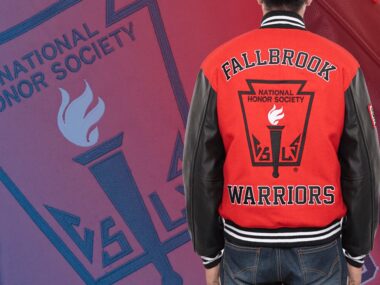
Many families also look at letter jackets when they shop for school outerwear. A varsity coat is great for showing school letters, numbers, and patches. It works well for fall games, inside wear, and dry days on campus.
A quilted coat has a different job. It acts more like a shield for deep winter. The focus is on holding heat in and stopping wind first, then on color and trim second. When the air is mild, a student may reach for a letter jacket. When the forecast calls for ice or sleet, a quilted coat quickly becomes the better choice.
Students who want both style and function often keep one of each. A letter piece from the classic varsity jacket range can handle spirit events and cooler nights. An insulated coat from the puffer line handles trips through tough weather.

Picking fabrics, colors, and details that fit campus life
The right coat does more than keep someone from feeling cold. It also has to fit their daily life. That means paying attention to shell fabric, color, and small features.
For shell fabrics, look for cloth that blocks wind and light rain. A smooth shell sheds snow better than a soft knit layer. Dark colors hide marks from backpacks and lockers, while brighter shades stand out in a crowd and in low light.
Hoods, inner pockets, and drawcords may seem small, but they matter on campus. A hood saves a student who runs out the door without a beanie. An inner pocket keeps a phone off the edge of a metal bleacher. Drawcord hems let them seal air gaps on windy corners.
Clothoo offers many color and fabric options in the materials and colors section. That page helps you match a coat to school colors or a student’s daily outfits so the piece gets worn all season, not just on the coldest week.
Simple care tips so your jacket stays fluffy longer
Good care keeps a puffer working year after year. You do not need special tools, but a few simple habits go a long way toward keeping the fill light and the baffles full of air.
- Spot clean small marks with mild soap instead of washing the whole coat every time
- When you wash, use cold water, gentle cycle, and a low spin to protect the fill
- Dry on low heat with extra time, and shake the coat during drying to break up clumps
- Store your coat on a hanger instead of crushed in a bag so the baffles do not flatten
- Check the care tag for any special notes based on fabric or insulation type
These simple steps keep the fill from breaking down so fast. That means fewer cold spots and more seasons before you need to shop for a new piece.

FAQs about puffer jackets for students
Q: What makes a puffer jacket different from other coats?
A: A puffer jacket uses quilted sections filled with insulation to trap air. Those baffles hold the fill in place so it does not slide around. The trapped air warms up next to your body and slows how fast cold reaches you compared with a flat, thin shell.
Q: Is a quilted coat too bulky for school and campus life?
A: It does not have to be. Many puffers cut bulk in the arms and shoulders while still keeping good insulation in the body. Students can move through halls, sit at desks, and carry backpacks without feeling boxed in, especially if you pick a style made for daily wear.
Q: What is the cushioning inside of jackets like these?
A: Inside the quilted channels, you will usually find either down or synthetic fibers. Both are soft fills that trap air. Down is made from small feathers, while synthetic fibers are man-made. Both types work well when matched to the right shell and lining.
Q: Are puffers better than letter jackets for winter?
A: Each has a role. Letter jackets shine for spirit wear and cool weather. Quilted coats are better for deep winter, strong wind, and longer walks. Many students use a letter jacket for events and a puffer coat for the coldest days.
Q: How can I choose the right level of insulation for my climate?
A: Think about how long you spend outside at one time. If your time outdoors is short and your area has mild winters, a lighter puffer should work. In colder states or on long walks to school, a heavier fill and longer cut are safer picks. The Clothoo insulated options make it easy to compare different builds side by side.


 Clothoo