 Clothoo
Every winter, you see quilted coats all over city streets, and the simple way to explain what is a puffer jacket and why fashion lovers love it is this: it is a warm, cushioned jacket with stitched sections filled with soft insulation that keeps heat in while still looking good with everyday outfits.

How a puffer jacket is built
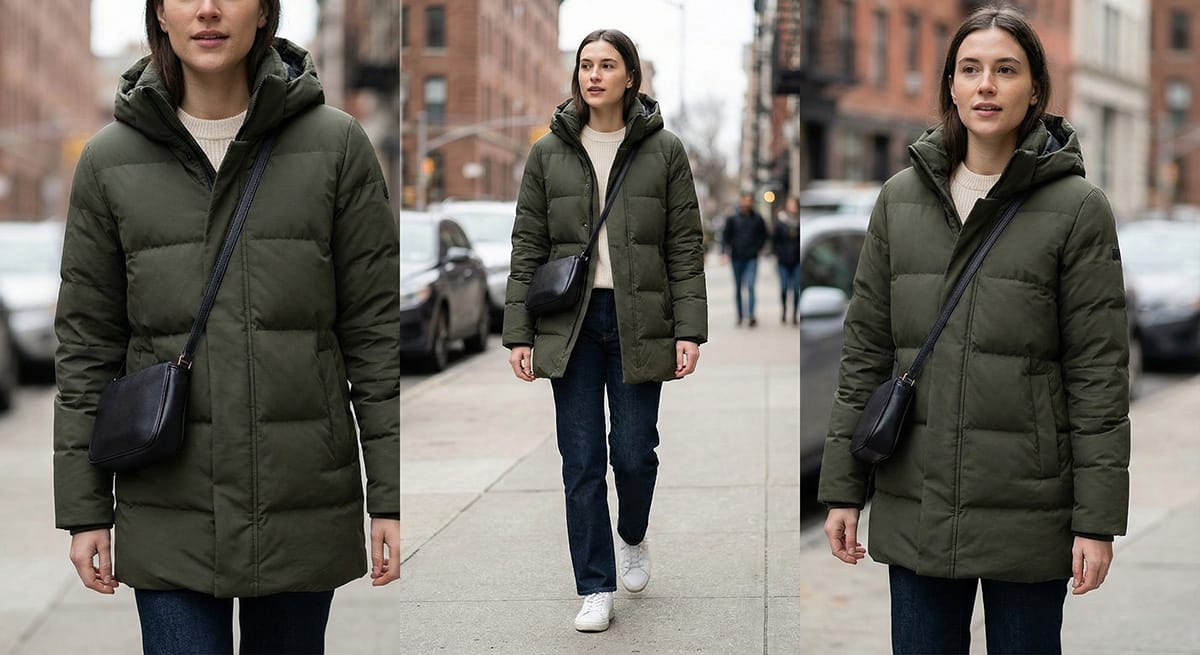
A puffer jacket is easy to spot. The outside has rows or blocks of stitching that make raised sections, called baffles. Inside each baffle, there is insulation that traps warm air. That trapped air is what keeps you comfortable on cold days.
The outer shell is usually made from a woven fabric that blocks wind and light moisture. Under that shell, the insulation fills the baffles. Then an inner lining sits next to your clothes so the jacket slides on without grabbing sweaters and hoodies.
If you scroll through the Clothoo puffer jackets collection, you will see different shapes that all use this same basic idea. Some are shorter for easy city wear. Others have a little more length for stronger cold and wind.
Down vs synthetic fill: what sits inside the baffles
The “cushioning” inside of jackets like these is either down or synthetic fill. Down is made from the soft fibers under bird feathers. It feels light, packs small, and traps a lot of heat. Synthetic fill uses fine man-made fibers that mimic that loft without using animal products.
Both types can be warm. The main difference is how they behave in wet weather and how easy they are to care for. Synthetic fill usually handles light rain and home washing better. Down can feel lighter for the warmth, but it needs more care if it gets soaked. Clothoo uses modern fills and shell fabrics so you get warmth without a huge, heavy coat that feels old or bulky.

Why fashion lovers still reach for quilted coats
Puffer jackets started as pure function. They were made for cold climbs and outdoor work. Now they sit right next to leather and wool coats in street style shots. Fashion lovers still use them because they hit a rare mix: warm, comfortable, and easy to style.
A quilted coat adds texture to a simple outfit. Jeans, a plain tee, and sneakers look more put together as soon as you throw on a clean, well-cut puffer. You get lines from the stitching, shine or matte finish from the shell, and a bit of volume that feels modern when done right.
A slim puffer can sit under an oversized scarf or over a light hoodie. A bigger one becomes the whole look with leggings and boots. When you start with a good base shape and color from the Clothoo insulated line, you can build outfits around it all season.
Light city puffers vs big winter statement coats
Not every fashion puffer is meant for the same kind of winter day. Some coats are light, packable, and easy to stuff into a tote. Others are built for long walks in harsh cold and stand out as the main piece in your outfit.
Light puffers work well if you spend a lot of time going in and out of shops, riding in cars or rideshares, or living in states with mild winters. They give you enough warmth for short street blocks without making you sweat once you step inside.
Heavier puffers have more fill and sometimes longer cuts. They sit over thick sweaters and still feel warm on long walks, late train waits, and nights out when the temperature drops. These coats bring more volume and presence, so they can easily become the main statement in your look.
Common mistakes to avoid when picking a puffer
One common mistake is choosing a jacket only for warmth and ignoring the shape. If a puffer is too boxy for your frame or too short for your usual tops, it may sit in the closet. Another mistake is buying a very heavy coat when you live in a place with short, mild winters. You end up overheating more often than not.
It also helps to think about your bag and footwear. If you always carry a crossbody or a backpack, very slick, shiny fabrics can scuff faster under straps. If you wear a lot of wide-leg pants or long skirts, a very short puffer can cut your outfit off at an odd point. Looking at your everyday wardrobe first helps you pick the right cut from the start.

Puffer jacket vs varsity jacket: style and function
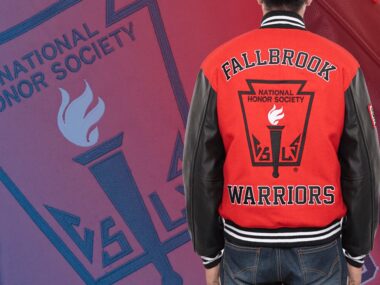
Both quilted coats and letter-style jackets can live in the same closet. They just solve different problems. A classic wool and leather school-style jacket gives a structured, sporty look. It shines on cool days, in fall, and in mild winters where you want more style than insulation.
A puffer jacket is built to trap heat. It works best for colder months and windy days. When the temperature drops hard, many people switch from wool shells to quilted coats and then back again when spring comes. If you like both looks, you might reach for a puffer on the coldest days and a varsity piece from the Clothoo varsity jacket collection when you want a lighter, more structured feel.
That mix gives you options: one piece for strong cold and another when you want your jacket to be more about graphics, letters, and color blocks.
Picking colors and fabrics that match your wardrobe
The best fashion puffers do not fight your closet. They work with it. Before you choose a coat, take a quick look at your favorite pairs of jeans, pants, and shoes. Are they mostly black and white? Do you lean into earth tones, or bright colors?
If your outfits are already busy, a clean black, cream, or deep navy puffer from the Clothoo puffer range might be the easiest move. If you mostly wear neutral basics, a bold color jacket can turn simple looks into something special.
Fabrics matter too. Smooth, slightly shiny shells feel more street, while matte shells can read a bit more low-key. You can use the materials and colors guide to get a sense of different outer fabrics and the way they hold color before you decide.

Quick care tips so your puffer keeps its shape
A good puffer jacket can last several winters if you treat it right. The goal is to keep the fill fluffy and the outer fabric clean without beating the coat up. Most people do not need to wash these jackets very often. Spot cleaning small marks and hanging the coat to air out works for everyday use.
When it is time for a full wash, it is worth reading the care tag and following gentle steps. Mild detergent, cool water, and a low spin help protect the fill. Drying on low heat with extra time and a few clean dryer balls can bring the loft back. Even simple habits like hanging the coat on a wide hanger and giving it space in the closet make a difference.
When you are ready to add a quilted coat to your rotation, you can browse the puffer jacket selection and use what you learned about fills, fabrics, and shapes to pick the piece that fits your winter style.


 Clothoo